
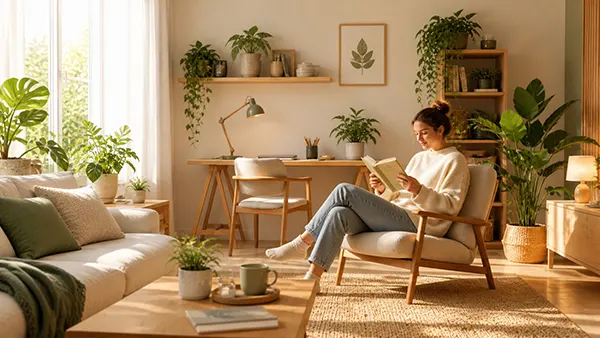
Home Environment for Calm: How Space Shapes Mood and Focus
The way a home is organised has a measurable impact on emotional balance, productivity, and the ability to concentrate. Modern research in environmental psychology confirms that lighting, layout, colour schemes, and even noise levels directly influence how the brain processes information and reacts to stress. A well-considered living space is not just about aesthetics—it becomes a practical tool for improving daily well-being and cognitive performance.
The Psychological Impact of Interior Design
Interior design affects the nervous system more deeply than many realise. Neutral tones, natural textures, and balanced proportions help reduce cognitive overload, allowing the brain to process information more efficiently. In contrast, cluttered or visually chaotic environments can increase cortisol levels, which is associated with stress and reduced concentration.
Lighting plays a central role in regulating circadian rhythms. Natural daylight supports alertness and stabilises mood, while poor artificial lighting may lead to fatigue and irritability. Positioning workspaces near windows or using warm, adjustable lighting in the evening can significantly improve both focus and relaxation.
Spatial organisation also contributes to mental clarity. When objects are arranged logically and consistently, the brain spends less energy searching and more energy performing tasks. This principle is widely used in productivity-focused environments and is equally effective in domestic settings.
How Colours and Materials Influence Emotions
Colours have a direct psychological effect on perception and emotional state. Soft greens and blues are commonly associated with calmness and stability, making them suitable for bedrooms or study areas. Warmer shades, such as muted terracotta or beige, create a sense of comfort without overstimulation.
Materials also shape the sensory experience of a space. Natural elements like wood, linen, and stone contribute to a grounded, tactile environment that promotes relaxation. Synthetic or overly glossy surfaces, when overused, may create a sense of artificiality that can subtly increase tension.
Consistency in textures and colours helps the brain interpret the space as predictable and safe. This predictability reduces subconscious stress responses, allowing individuals to maintain focus for longer periods.
Noise, Air Quality, and Cognitive Performance
Sound is often underestimated when designing a comfortable home. Continuous background noise, especially from traffic or electronics, can reduce attention span and increase mental fatigue. Introducing sound-absorbing elements such as rugs, curtains, or upholstered furniture can significantly improve acoustic comfort.
Air quality is equally important. Poor ventilation leads to higher concentrations of carbon dioxide, which has been linked to decreased decision-making ability and slower cognitive processing. Regular ventilation and the use of indoor plants can help maintain a healthier environment.
Temperature control also plays a role in productivity. Studies suggest that environments that are too warm or too cold can disrupt concentration. Maintaining a moderate and stable temperature helps sustain mental performance over extended periods.
Creating a Distraction-Free Zone at Home
Designating specific areas for focused work is one of the most effective strategies for improving productivity. Even in small living spaces, a clearly defined workspace signals to the brain that it is time to concentrate. This separation reduces the likelihood of distractions.
Minimising digital interruptions is equally important. Keeping devices out of reach or using dedicated work modes can help maintain attention. Physical organisation, such as decluttering desks and limiting visual noise, reinforces this effect.
Routine also strengthens the connection between environment and behaviour. When the same space is consistently used for focused tasks, the brain begins to associate it with productivity, making it easier to enter a state of concentration.
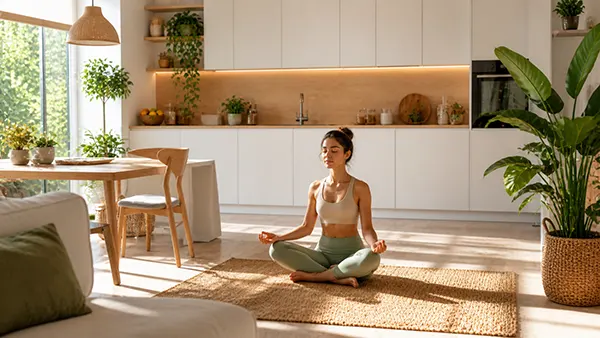
Practical Strategies for a Calmer Home Environment
Creating a balanced home environment does not require major renovations. Small adjustments, such as rearranging furniture to improve flow or reducing unnecessary items, can have an immediate impact. The goal is to create a space that feels intuitive and supportive rather than overwhelming.
Introducing elements of nature is another effective approach. Plants, natural light, and organic materials contribute to a sense of stability and connection, which supports emotional regulation. Even minimal additions, such as a single plant or wooden decor, can influence perception.
Personalisation should be approached carefully. While meaningful objects add character, excessive decoration can lead to visual clutter. A selective approach ensures that the space remains both functional and emotionally comfortable.
Maintaining Balance Between Comfort and Functionality
A well-designed home balances relaxation with usability. Furniture should support posture and comfort without compromising movement within the space. Ergonomic considerations are particularly important for areas used for work or study.
Storage solutions play a key role in maintaining order. Hidden storage, modular systems, and multi-functional furniture help reduce visible clutter while preserving accessibility. This approach supports both efficiency and visual calm.
Regular reassessment of the environment ensures that it continues to meet changing needs. As routines evolve, adjusting the layout or design elements helps maintain alignment between the space and its purpose.