
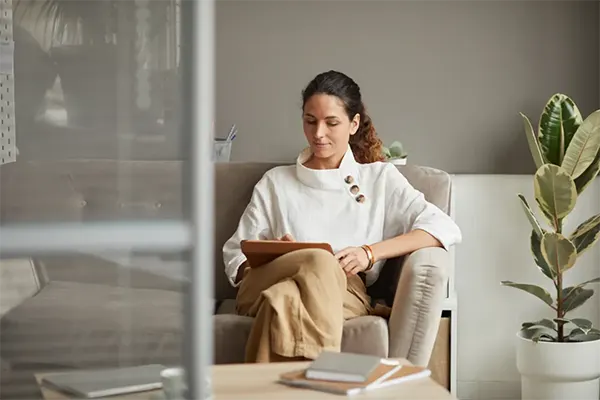
Psychological Safety at Home: How Design, Lighting and Space Shape the Sense of Security
A home influences emotional stability just as much as it influences daily routines. The physical environment affects how protected, calm and in control a person feels. Modern research in behavioural sciences, architecture and environmental psychology shows that well-planned rooms, balanced lighting and thoughtful design features can significantly strengthen the feeling of personal safety. These factors matter for households of all sizes and remain relevant for everyday wellbeing in 2025.
The Role of Design in Shaping a Secure Home
Interior layout has a measurable impact on psychological comfort. A structured environment with clear pathways, visible entry points and uninterrupted lines of sight helps reduce internal tension. People feel safer when they can easily monitor what happens in their surroundings without constant adjustments or physical effort. This applies both to compact flats and larger multi-room homes.
Materials also contribute to the perception of security. Durable finishes, quality door fittings, sound-insulating walls and stable furniture create a sense of reliability. When objects feel solid and do not move unexpectedly, the brain interprets the environment as predictable and safe. Stability has a direct influence on reducing stress responses across long periods.
Colour choices further influence emotional reactions. Soft natural shades, muted earthy tones and low-contrast combinations help regulate cortisol levels and create a serene atmosphere. Harsh neon colours or chaotic patterns can overstimulate the senses, making the space feel unsettled. Thoughtful design supports both practical and emotional reassurance.
How Design Enhances Everyday Emotional Balance
Habit-forming design elements such as stable furniture arrangement support a clearer mental map of the home. When a room remains consistent over time, people move more confidently and are less likely to experience low-level anxiety. Familiarity encourages a stable sense of control over the environment.
Design can also reduce cognitive load by limiting unnecessary distractions. Clean lines, uncluttered surfaces and well-organised storage prevent visual noise. When a space communicates order, the mind processes information more easily and reduces subconscious stress linked to decision-making overload.
For households with children or elderly family members, strategic design choices such as rounded edges, secure storage for important items and visible walking routes can lower the risk of minor accidents. Knowing that the environment actively minimises hazards contributes to a stronger sense of psychological safety.
Lighting as a Foundation for Psychological Security
Lighting plays a vital role in shaping how people perceive and evaluate their surroundings. Balanced, well-distributed illumination supports a sense of calm and protects against feelings of vulnerability. Poor lighting, especially in transitional areas like hallways and entrances, often leads to discomfort and insecurity.
Natural light remains a key contributor to mental wellbeing. Exposure to daylight supports circadian rhythms, improves alertness during the day and stabilises sleep patterns. When a home contains several sources of natural light, it becomes easier for the mind to interpret the space as open and safe. Clear window lines and adjustable blinds are essential tools for light control.
Artificial lighting also needs careful consideration. Layered lighting that includes ceiling lights, wall lamps and task lamps enables people to manage brightness levels depending on the time of day. Adjustable lighting reduces harsh contrasts, supporting a gentle sense of safety even during late hours.
Practical Lighting Solutions for a Secure Home
Warm-white bulbs with stable colour temperature help maintain a comfortable atmosphere. Sudden shifts in tone or overly bright lighting can create subtle anxiety. Consistency supports relaxation and reassures the mind that the environment is stable.
Sensor-based lighting in entrances, corridors and bathrooms reduces the uncertainty of moving through darker spaces. When light automatically responds to presence, people avoid momentary disorientation and maintain their sense of control. This is especially valuable in multi-generational homes.
Outdoor lighting contributes to security as well. Illuminated paths, well-lit entrances and balanced garden lighting reduce shadowed areas that may feel uncomfortable at night. Adequate exterior lighting also improves visibility and supports safer movement around the property.
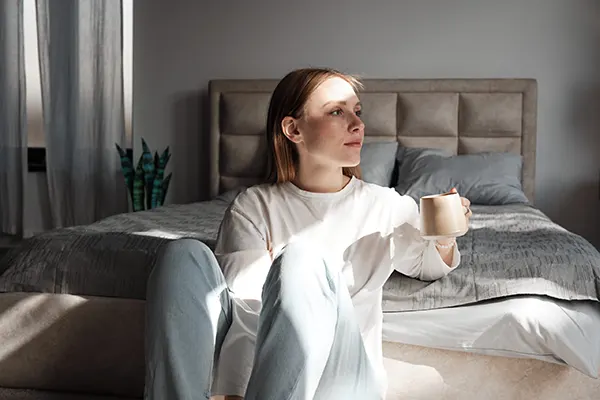
How Spatial Planning Strengthens Psychological Safety
Space organisation directly influences emotional stability. Rooms with clear zoning help the brain separate activities, maintain routines and understand boundaries. When people can easily differentiate between rest, work and social areas, the environment feels more predictable and secure.
Open spaces should be balanced with private areas. Total openness can sometimes reduce the sense of personal protection, while a lack of openness can lead to feelings of restriction. The most effective layouts combine both, allowing individuals to move freely while maintaining access to quiet, enclosed corners when needed.
Traffic flow inside the home also matters. Overcrowded routes, furniture blocking natural movement or poorly positioned doors can cause low-level stress. Smooth circulation reduces internal tension and supports a calm mental state.
Optimising Space for Daily Comfort and Safety
Dedicated resting zones with soft seating, controlled lighting and minimal noise help reinforce emotional replenishment. When people know where they can retreat to recharge, their overall sense of security increases. These areas do not require major renovations and can be formed even in small homes.
Work areas should have defined boundaries to prevent overlapping with resting zones. Blurred boundaries can lead to mental fatigue and reduce emotional stability. When each area has a clear purpose, the home feels more organised and trustworthy.
Finally, pathways must remain unobstructed. Even minor clutter or misplaced items can cause subconscious vigilance. A tidy and predictable layout allows individuals to navigate the home confidently, strengthening everyday psychological comfort.